When storms, plumbing leaks, or even monsoon humidity hit, drywall is often one of the first casualties inside your home. It may look like just a stain or a soft spot on the surface, but water-damaged drywall can quickly snowball into bigger (and more expensive) problems if it’s not treated.
As licensed contractors who’ve worked on hundreds of Arizona homes, we’ve seen it all: walls that crumbled from hidden leaks, ceilings collapsing after roof damage, and entire rooms where mold had spread silently behind the paint. The good news? Most water-damaged drywall can be repaired or replaced effectively; if you act quickly and choose the right approach.
That’s why on this post, we’ll go over the possible routes you can take for drywall repair after water damage, the signs to look for, when DIY fixes make sense, and when it’s time to call in professionals.
Drywall and Water Damage
Drywall may look solid, but it’s essentially compressed gypsum powder sandwiched between heavy paper. When exposed to water, it doesn’t stand a chance for long. Here’s what happens:
Swelling and Softening of Panels
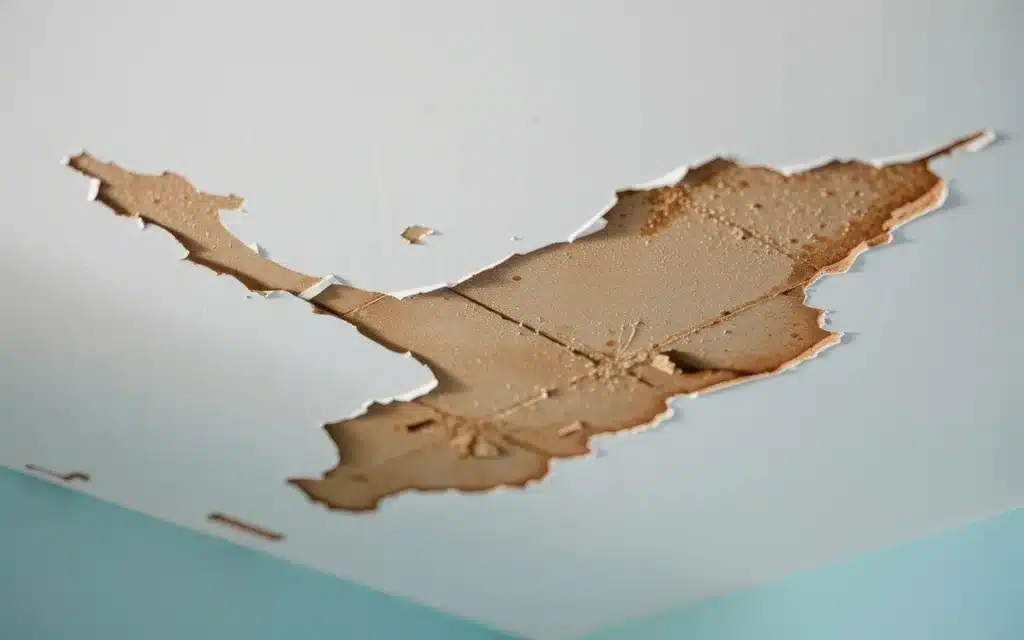
The gypsum core absorbs water like a sponge. Panels swell, soften, and eventually lose their ability to support weight. In ceilings, this can lead to sagging or collapse.
Mold and Mildew Growth Behind Walls
Even if the surface dries, water trapped behind drywall creates a dark, humid environment (perfect for mold). Mold can spread within 24–48 hours, and it’s often out of sight until it’s become a much larger issue.
Structural Weakness and Safety Concerns
Waterlogged drywall is no longer structurally sound. It can’t hold screws or nails, which means shelving, cabinets, or fixtures anchored to those sections are at risk of falling.
Signs Your Drywall Has Water Damage
Spotting the warning signs early can save you from bigger repairs later. Look out for:
Visible Stains and Discoloration
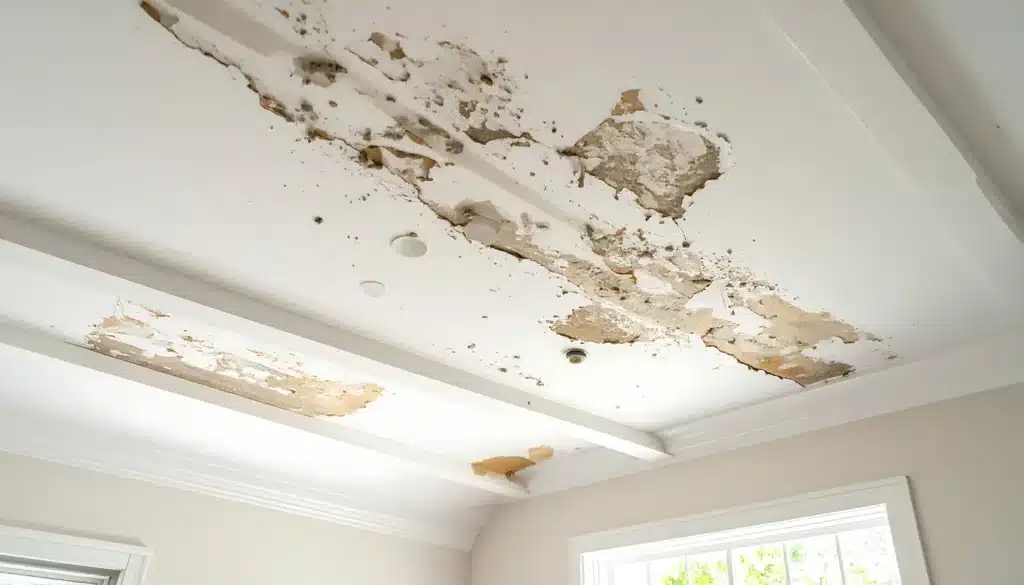
Brown, yellow, or gray water stains on walls or ceilings are the most obvious signal.
Bubbling, Peeling, or Warped Surfaces
Paint or texture bubbling off the surface means moisture has penetrated the drywall underneath.
Musty Odors and Hidden Mold
Even if you don’t see damage, a lingering musty smell in one room often points to trapped moisture and mold.
Can You Fix Water-Damaged Drywall Yourself?
This is one of the most common questions homeowners ask. The short answer? Sometimes.
When DIY Patching Works
If the water exposure was brief (like a spill or minor leak) and the affected area is small (say under 2 feet in diameter) you might be able to cut out the section, patch it, and repaint.
When It’s Time to Call a Pro
- The water damage was caused by flooding, roof leaks, or plumbing issues.
- There’s mold present.
- The affected area is larger than a small patch.
- The drywall is in a ceiling, which could collapse if weakened.
DIY repairs can handle cosmetics, but when structural safety or mold prevention is on the line, professional repair is the only safe route.

Our Proven Drywall Repair Process After Water Damage
At State 48 Painting, we’ve refined a process that ensures damaged drywall is not just repaired, but restored in a way that looks seamless and lasts.
Inspection and Moisture Detection
We use infrared and moisture meters to detect hidden dampness behind walls, so nothing gets missed.
Safe Removal of Damaged Sections
Compromised drywall is cut out cleanly, with proper disposal to avoid contaminating other areas.
Mold Prevention and Treatment
We apply antimicrobial treatments to studs, insulation, or surrounding areas as needed; stopping mold before it starts.
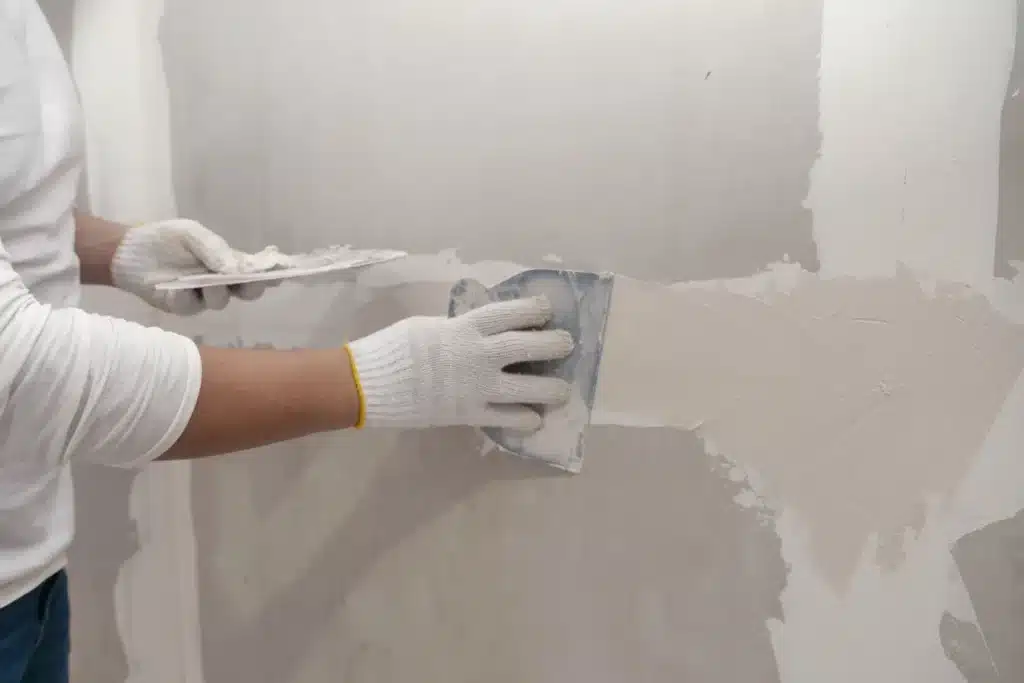
Seamless Patching and Painting
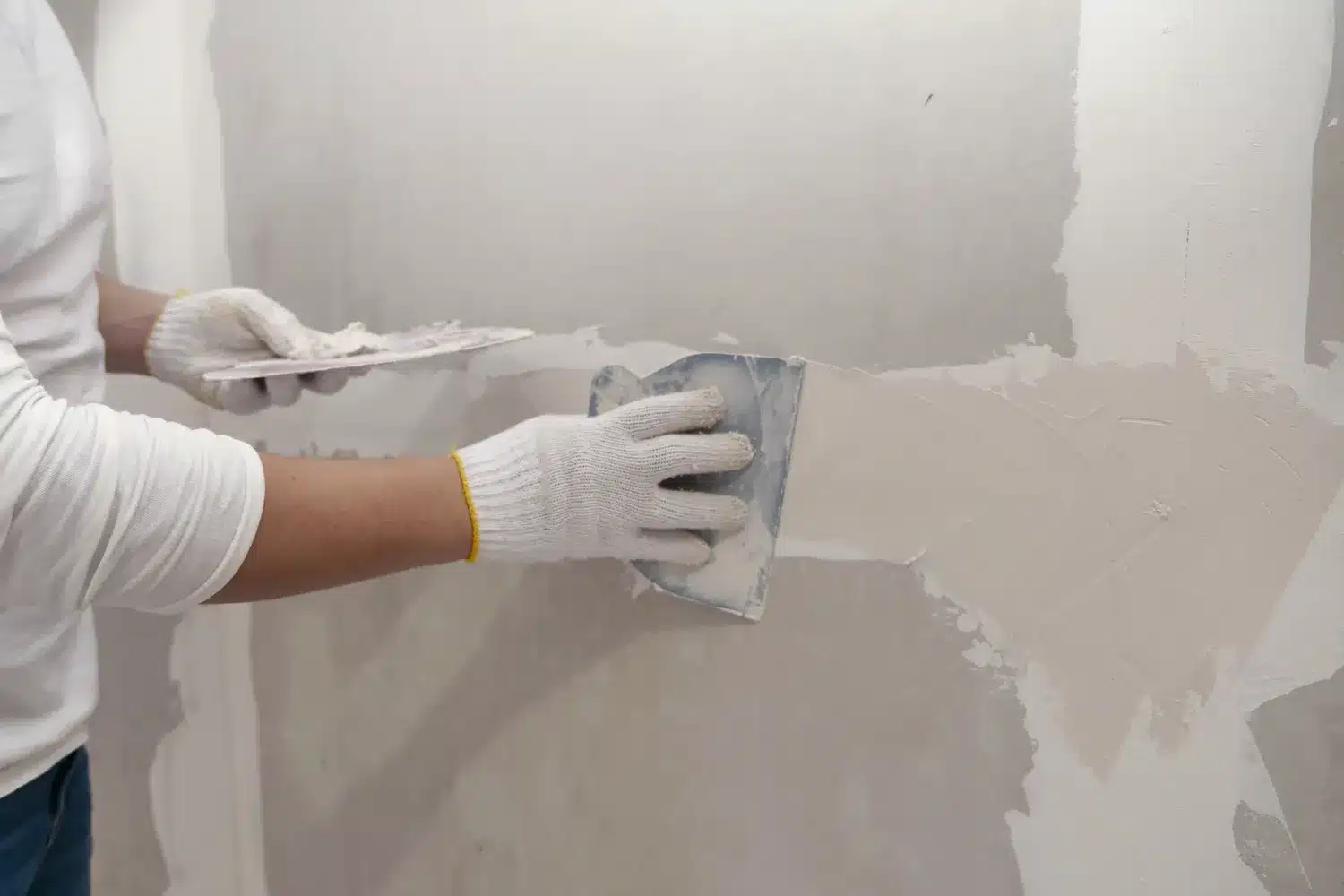
Replacement drywall is taped, mudded, textured, and painted to match the original finish. Done right, you’ll never know where the repair happened.
How to Prevent Future Water Damage on Your Drywall
Repair is only half the battle; prevention protects your investment.
Roof & Plumbing Maintenance
Have your roof inspected annually, and fix small leaks before they spread. Check plumbing for slow drips or corrosion.
Sealing Windows and Doors
Caulking and weatherstripping prevent rain intrusion during monsoons.
Controlling Humidity Indoors
Run dehumidifiers or air conditioning in humid months to stop moisture buildup inside walls.
FAQs About Drywall Repair After Water Damage
Small repairs may cost a few hundred dollars, while extensive ceiling or whole-room replacements can run into the thousands. The key is addressing the issue early.
Minor patches can be completed in a day. Larger repairs, including drying and repainting, may take 3–5 days.
Not always. If water exposure is minimal and quickly dried, some drywall can be salvaged. But in most cases, replacement is safer.
Paint won’t solve the underlying problem. Moisture and mold will continue to spread, eventually ruining the repair.
Yes. Mold behind walls can trigger allergies, asthma, and other respiratory issues if not treated properly.
The Bottom Line
Water-damaged drywall isn’t something to ignore. What looks like a small stain could be the start of structural weakness or a hidden mold problem. The sooner you act, the easier (and more affordable) the repair will be.
At State 48 Painting, we’ve helped countless Arizona homeowners recover from water damage, whether caused by storms, monsoons, or plumbing issues. We combine proven techniques, the right materials, and a commitment to leaving your home better than we found it.
If you suspect water damage in your walls or ceilings, don’t wait. Request your free inspection today, and let us help protect your home.